Malibu
Generated:
Post last updated:
Chekhov's Classroom
“COOLER THAN HOGWARTS!”, said the website of Omega School.



Omega School
cooler-than-thou
The first thing most people noticed about Omega School was that it did not look remotely educational. It looked like somewhere a billionaire would go to recover from being a billionaire.

Omega School
cooler-than-thou
It was magnificent. The garden’s blueprint was directly extracted from Crowley’s memory. The library was La biblioteca de Babel themed with a quaint smoothie bar at every corner. The canteens served nutritious and delicious and most importantly, real meals, not MEALS®.

Omega School
cooler-than-thou
There were 39 different ice cream flavors. Aubrey Thymes was employed as the school’s professional therapist, yes, the prestigious Aubrey Thymes.

Omega School
cooler-than-thou
The classrooms at Omega School had been designed, with considerable expense and even more conviction, to look like the sort of place where Important Ideas happened.
They had glass walls (for transparency), writable surfaces (for collaboration), beanbags (for relaxation), and a faint but persistent smell of artisanal citrus cleaner (for the parents).

Omega School
cooler-than-thou
On one wall, in tasteful minimalist font, someone had painted:
QUESTION EVERYTHING. RESPONSIBLY.

Omega School
cooler-than-thou
Some weeaboo had once described the architecture as “Academy City and Mitakihara Middle School combined”, and this had somehow ended up in the admissions brochure.

Anathema Device
one-boxer
“COOLER THAN HOGWARTS!”, said the website. This was because Anathema Device had once made the mistake of allowing the marketing department autonomy for six minutes.
The only reason she kept it anyways was that she secretly thought Omega was actually COOLER THAN HOGWARTS!
Better timetables. Optimal selective arrangement. Zero abusive teacher. Maximal freedom of speech.
And Omega sort students by the Magic: The Gathering color wheel, so there were five main houses and more dual-colors. ONE MORE HOUSE THAN HOGWARTS!
Omega School
cooler-than-thou
The wealthy Malibu parents had expected their kids to become future leaders in business, politics, academy and YouTube. The excited AI researchers had expected, well, prodigy AI researchers.
What they got instead were children who asked things like “can moral philosophy be open source” and “how can we distinguish between a Demiurge and a Simulator through falsifiable experiments”.
At least the AI researchers were satisfied, Aubrey Thymes pointed out, as they projected their lingering anxiety over ASI misalignment on their carbon-based spawns who were maybe slightly more corrigible, or vice versa.
Adam Young
writes-story-books
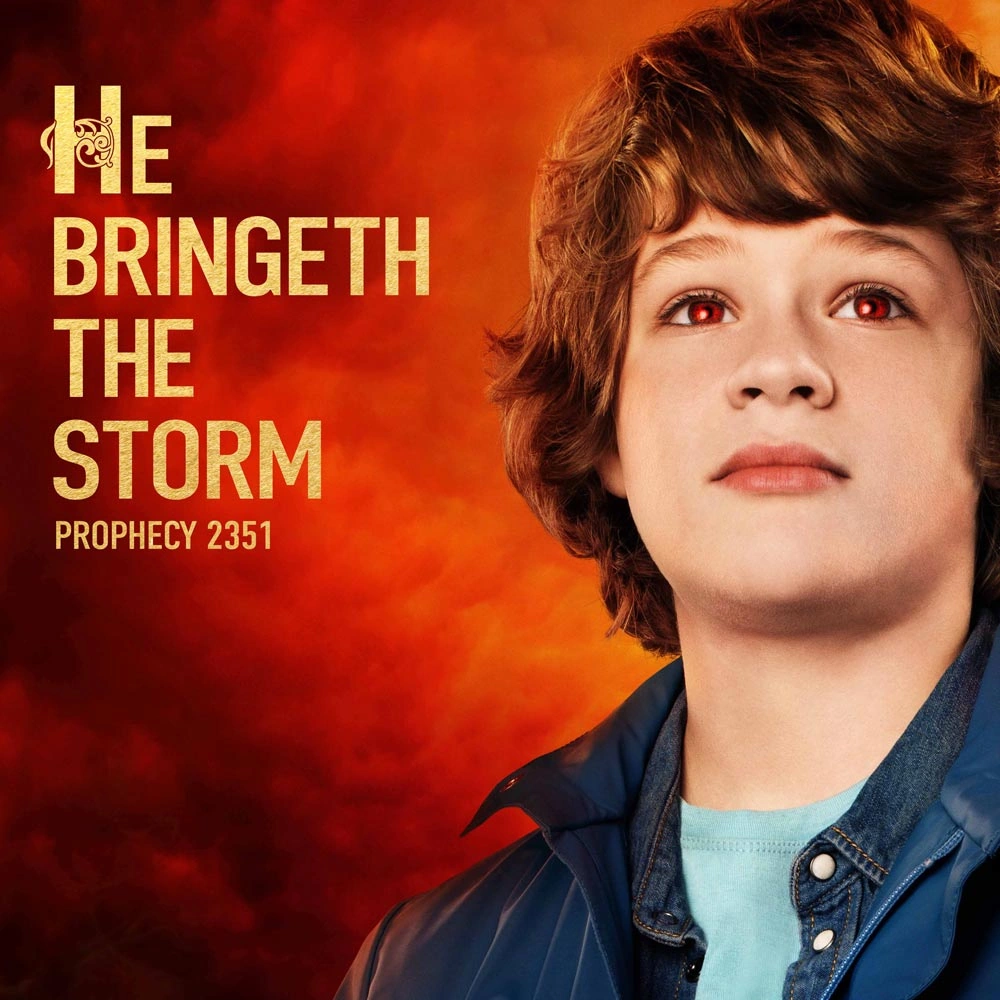
There was a name rumored among the children, and that name was Adam Young, the new leader of Black.
Adam and his Them were the mysterious transfer students who on their day one had debunked senior Blacks and Blues pretending to be bullies for their sociology 101 experiment right on the spot.
They scored the highest on Game Design as well as Game Theory.
They had started a masonic conspiracy and six days later literally every student had joined it.
They took over TRPG club in a single campaign by spectacular roleplay.
And Adam wrote best-selling story books. Every kid knew it was a terrible, terrible idea to mess with someone who wrote story books.
Adam Young
writes-story-books
Adam sat near the back of Classroom 101 with his feet tipped against the chair in front of him.
Mr. Jaredson
her-favorite-boy
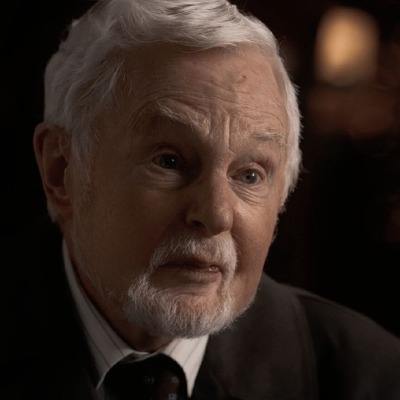
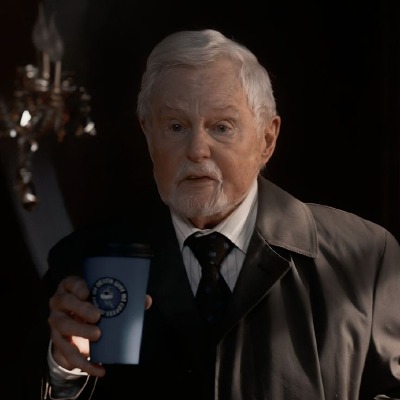
He was a tall man with smooth silver hair. He wore a brown jacket despite the California weather. Students think he’s either ex-military or a former cult member. (Is Jaredson even a surname?)
The prediction market (obviously, they had one) leaned heavily on the former because students learned about the concept of prior on Philosophy or (ordinary or, not Xor) Probabilities and Statistics.
Omega School
cooler-than-thou
He was ranked “the most suspicious teacher” by the Secret Skeptic Society of Surveillance on Suspicious School Staffs. The second most suspicious was Aubrey Thymes, who was but a perfectly normal human with false rumors about mindreading superpower. The third most suspicious was Scarlett Herrington, the extraordinary physically attractive head of Red. And the 100th was Eric Moore, teacher of Sex Education.
(His identity is pretty obvious for the average show fan, but if you don't know who he is, don't open his Character page.)
Mr. Jaredson
her-favorite-boy
“Today,” said Mr. Jaredson, writing on the board with handwriting which resembled Hebrew letters, “we will discuss apocalypse.”
Omega School
cooler-than-thou
Half the room perked up immediately. This was Omega School.
A girl of Simic (Blue & Green) raised her hand before he had even finished the word: “Religious apocalypse or civilizational collapse apocalypse?”
Mr. Jaredson
her-favorite-boy
“Yes,” said Mr. Jaredson, who had learnt this deepity from another allegedly enlightened Meditation & Mindfulness teacher.
“The word originally means revelation. An unveiling instead of merely destruction. Though humanity has historically shown greater enthusiasm for destruction.”
He turned to the board and wrote:
APOCALYPSE = REVELATION
Mr. Jaredson
her-favorite-boy
“Most apocalyptic traditions emerge during periods of instability. People experience suffering, social breakdown, war, plague, injustice—”
Omega School
cooler-than-thou
“Climate change,” said someone.
“AI risk,” added someone else immediately. Those children.
“TikTok,” said Pepper. Her nametag shined brightly Red and White.
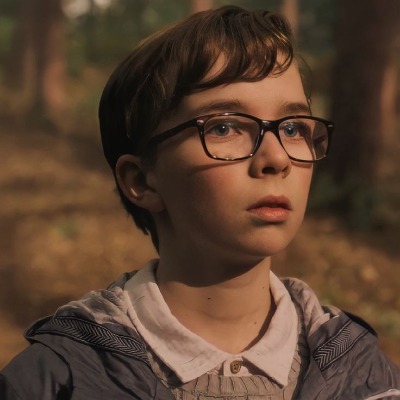
Wensleydale
scale-of-awesome
Wensleydale’s hand shot up.
“Would you classify apocalypse as primarily predictive or normative? I mean, does apocalypse literature attempt to predict outcomes or prescribe moral transformation through narrative?”
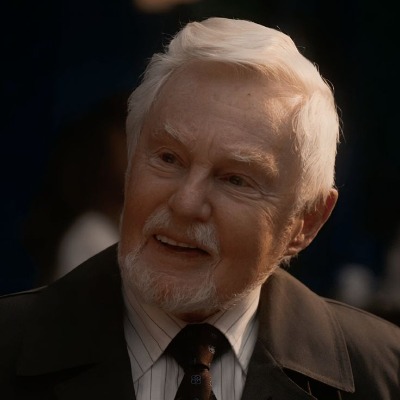
Mr. Jaredson
her-favorite-boy
“Excellent distinction. Many apocalyptic traditions function less as predictions than as moral frameworks. They divide the world into categories. Saved and damned. Loyal and corrupt. Elect and fallen.”
He wrote as he spoke:
INSIDE / OUTSIDE
Omega School
cooler-than-thou
An ambiguously gendered Black near the front raised their hand. “But some people are bad,” they said challengingly. “I mean, if civilization’s collapsing because people behave badly, then you’d need some way to distinguish people helping or sabotaging, or it’ll keep collapsing. Any objections?”
Omega School
cooler-than-thou
That question signaled an upcoming short debate, and Mr. Jaredson’s silence meant approval.

Pepper
sword-of-good
“Objection: needs not mythology to distinguish that. Remember that witch hunt in Spain or something? The so-called witches didn’t do anything harmful, and if you project your doomsday devil-phobia on those innocent ladies, there will be literally ladies at stake!”
Omega School
cooler-than-thou
A White silently raised a pad saying: Don’t think some ppl ARE inherently/naturally BAD. Also being bad don’t make one outcast forever. Consensus? Worth further debate?
Omega School
cooler-than-thou
“You got a point, and I agree that specific framework is stupid.” said the Black, “But we still need some sorting methods. Or better, rating methods. Proper and proportional ones, not stupid ones.”
Omega School
cooler-than-thou
A Red raised 1 min more and I’ll interrupt
A Blue raised Problem: A’s saying distinguishing ppl in civ and P’s saying don’t use bible to do it
Wensleydale raised and none of this are directly about apocalypse it’s meritocracy vs egalitarianism
The classroom had a round table where anyone can see anyone, so the pads were duly noticed.
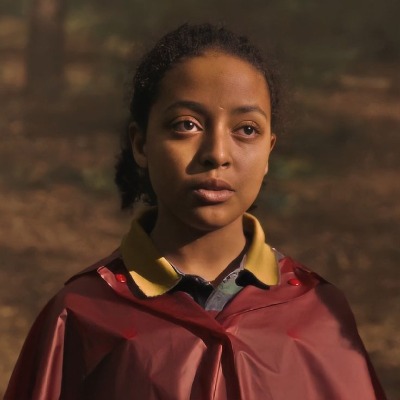
Pepper
sword-of-good
“Yes, dunno whether distinguishing people like this is ok. Don’t use the Bible to do it, that’s my point.”
Brian
crown-of-great
Brian raised a cautious hand. (He was Red and Green.)
“Why do people like apocalypse stuff so much anyway?” That’s a meta one, which Omega students are both drawn and alert to.
Mr. Jaredson
her-favorite-boy
“Because apocalypse promises coherence.” The teacher paced slowly as he spoke, “History becomes understandable. Suffering becomes meaningful. The wicked are punished. The virtuous rewarded. Complications resolve.”

Omega School
cooler-than-thou
A hand rose near the windows. It belonged to one of the quieter students from Green House, where Omega tended to sort children likely to either become continental! philosophers or any kind of wise mentor.
“What if apocalypse stories are actually about hope?” she asked.
Omega School
cooler-than-thou
The class considered this. There was unsettlement, apparently. It’s the most frequently induced emotion in Mr. Jaredson’s class. Anger and despise against stupid things, there was, as always. Someone Green touched their chest and felt nothing remotely like hope. One can tell the religious ones from the level of distress they showed.

Adam Young
writes-story-books
Adam still disliked the words on the board. They felt wrong like a badly arranged dream, a flaw in the D&D rulebook, or the sermon of Pastor Marvin on YouTube.
INSIDE / OUTSIDE.
Omega School
cooler-than-thou
A boy in the back with a visible cross necklace spoke up: “My dad says people like apocalypse because they secretly want a reset button.”
Omega School
cooler-than-thou
The room turned at the weight of his tone. Adam rarely spoke quickly. When he did, people tended to listen to the coolest if not the most dangerous student in the classroom.
Adam Young
writes-story-books
“If your world needs wiping out all the time, then something’s broken in the rules.” Adam shrugged. “That assumes worlds are designed. Badly.”
Omega School
cooler-than-thou
“Everything’s designed,” said Wensleydale’s immediate intellectual nemesis from Red, who is atheist and believed in simulation.
Mr. Jaredson
her-favorite-boy
Mr. Jaredson lifted one finger.
The argument halted with visible reluctance.
“An important tension,” he said. “Many apocalyptic systems assume history possesses direction. A plan. An endpoint.”

Mr. Jaredson
her-favorite-boy
Mr. Jaredson smiled slightly.
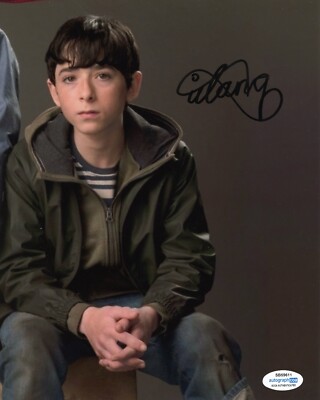
Teachers at Omega School were specifically trained never to answer existential questions directly. This policy had been implemented after an incident involving a mindfulness instructor (that one who taught everyone about “yes” and “mu”), Gödel’s incompleteness theorem, eighteen terrified parents, Scarlett Herrington and later, Aubrey Thymes.
Mr. Jaredson
her-favorite-boy
“A respectable position. Now let us examine one recurring feature of apocalyptic thought.”
“Final judgment. Suppose you possessed complete knowledge of every human action. Every consequence. Every intention. Could perfect judgment exist?”

Wensleydale
scale-of-awesome
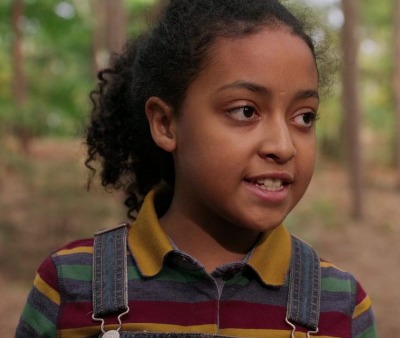
“In principle, complete information permits complete moral evaluation.”

Adam Young
writes-story-books
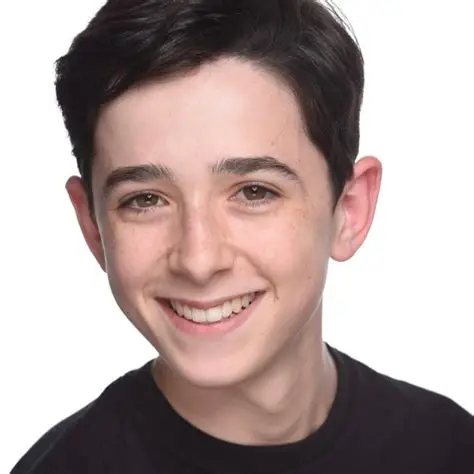
Meanwhile Adam was staring out the window.
A flock of birds wheeled over the Malibu hills in sudden perfect formation, then broke apart again.
Adam Young
writes-story-books
Something about the conversation bothered him. He remembered events, which are approximately dream or story book. He remembered when Wensley and Brian said the whole world-saving thing was collective hallucination and he said no. He said no because it’s not the case. What happened in the past had already happened. Denying it wouldn’t make the case more hopeful.
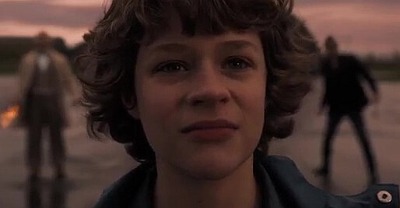
Adam Young
writes-story-books
He remembered when he thought they were safe, they survived, an eternal summer with Them and Dog and sweet apples awaited, he’ll never feel alone again, and Anathema said no. Anathema said no because it’s not the case. The Great Old Ones never rest, she said metaphorically, even in their maddening dreams of eldritch dimensions. That’s why she started Omega School and sent the literal owl letter.
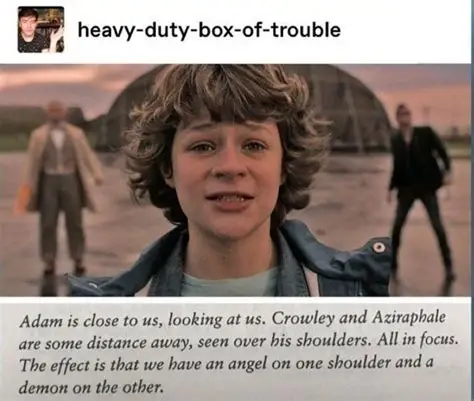
Adam Young
writes-story-books
Deep down in his subconsciousness, a thought arose and faded away quietly, that’s why I started to write story books.
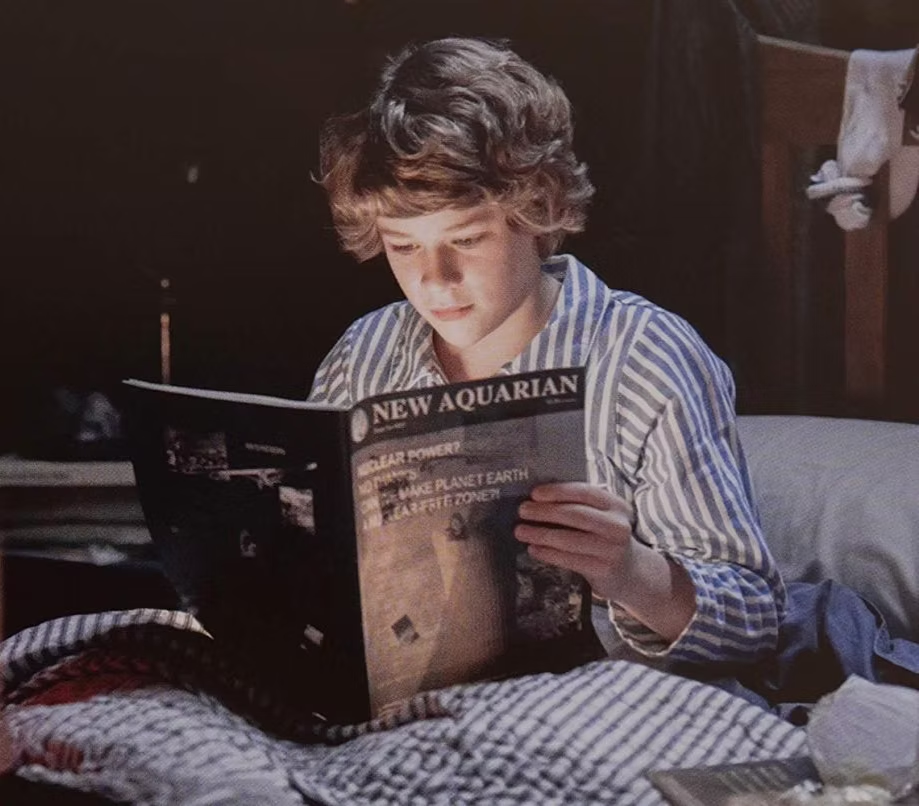
Adam Young
writes-story-books
And now, the topic, the arc, was brought up again. By the most suspicious teacher Mr. Enoch Jaredson.
Mr. Jaredson
her-favorite-boy
Mr. Jaredson noticed him watching the birds. “Mr. Young,” he inquired in the tone Dumbledore addresses Mr. Potter—Rincewind addresses Coin— “Your thoughts?”
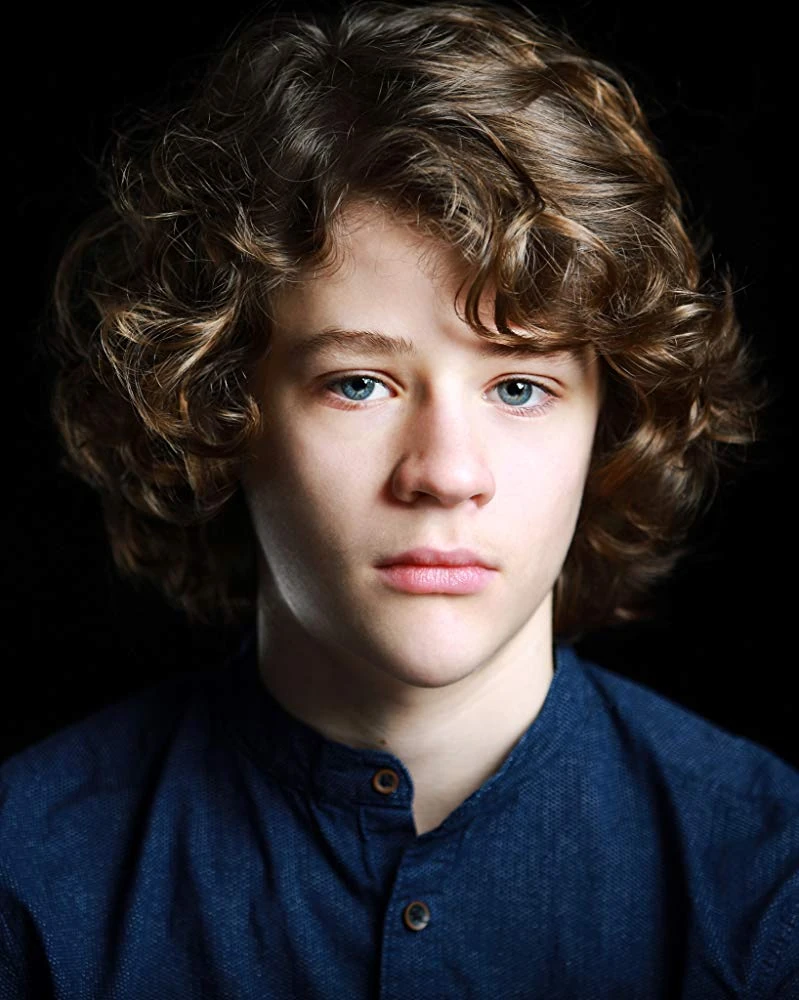
Adam Young
writes-story-books
Adam noticed Mr. Jaredson watching him. There was light in the teacher’s eyes. Alien, and oddly transparent. The Three-Body Problem, his mind automatically provided. (Is that about ET?)