


 View Flat HTML
 View Metadata
 Search Post
Malibu
“COOLER THAN HOGWARTS!”, said the website of Omega School.
+ Show First Post


her-favorite-boy
“Excellent distinction. Many apocalyptic traditions function less as predictions than as moral frameworks. They divide the world into categories. Saved and damned. Loyal and corrupt. Elect and fallen.”
He wrote as he spoke:
INSIDE / OUTSIDE

cooler-than-thou
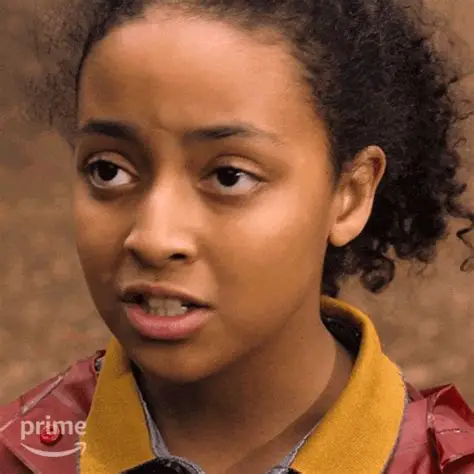
An ambiguously gendered Black near the front raised their hand. “But some people are bad,” they said challengingly. “I mean, if civilization’s collapsing because people behave badly, then you’d need some way to distinguish people helping or sabotaging, or it’ll keep collapsing. Any objections?”

cooler-than-thou
That question signaled an upcoming short debate, and Mr. Jaredson’s silence meant approval.
sword-of-good
“Objection: needs not mythology to distinguish that. Remember that witch hunt in Spain or something? The so-called witches didn’t do anything harmful, and if you project your doomsday devil-phobia on those innocent ladies, there will be literally ladies at stake!”

cooler-than-thou
A White silently raised a pad saying: Don’t think some ppl ARE inherently/naturally BAD. Also being bad don’t make one outcast forever. Consensus? Worth further debate?
cooler-than-thou
“You got a point, and I agree that specific framework is stupid.” said the Black, “But we still need some sorting methods. Or better, rating methods. Proper and proportional ones, not stupid ones.”
cooler-than-thou
A Red raised 1 min more and I’ll interrupt
A Blue raised Problem: A’s saying distinguishing ppl in civ and P’s saying don’t use bible to do it
Wensleydale raised and none of this are directly about apocalypse it’s meritocracy vs egalitarianism
The classroom had a round table where anyone can see anyone, so the pads were duly noticed.
sword-of-good
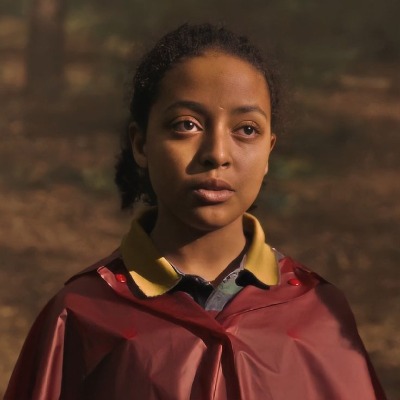
“Yes, dunno whether distinguishing people like this is ok. Don’t use the Bible to do it, that’s my point.”

crown-of-great
Brian raised a cautious hand. (He was Red and Green.)
“Why do people like apocalypse stuff so much anyway?” That’s a meta one, which Omega students are both drawn and alert to.

her-favorite-boy
“Because apocalypse promises coherence.” The teacher paced slowly as he spoke, “History becomes understandable. Suffering becomes meaningful. The wicked are punished. The virtuous rewarded. Complications resolve.”


cooler-than-thou
A hand rose near the windows. It belonged to one of the quieter students from Green House, where Omega tended to sort children likely to either become continental! philosophers or any kind of wise mentor.
“What if apocalypse stories are actually about hope?” she asked.

cooler-than-thou
The class considered this. There was unsettlement, apparently. It’s the most frequently induced emotion in Mr. Jaredson’s class. Anger and despise against stupid things, there was, as always. Someone Green touched their chest and felt nothing remotely like hope. One can tell the religious ones from the level of distress they showed.
writes-story-books
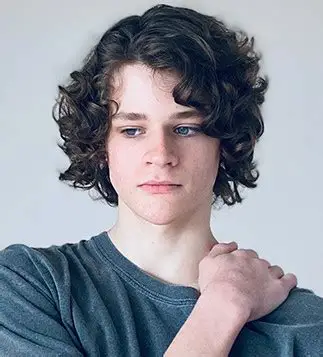
Adam still disliked the words on the board. They felt wrong like a badly arranged dream, a flaw in the D&D rulebook, or the sermon of Pastor Marvin on YouTube.
INSIDE / OUTSIDE.
cooler-than-thou
A boy in the back with a visible cross necklace spoke up: “My dad says people like apocalypse because they secretly want a reset button.”


cooler-than-thou
The room turned at the weight of his tone. Adam rarely spoke quickly. When he did, people tended to listen to the coolest if not the most dangerous student in the classroom.
writes-story-books
“If your world needs wiping out all the time, then something’s broken in the rules.” Adam shrugged. “That assumes worlds are designed. Badly.”

cooler-than-thou
“Everything’s designed,” said Wensleydale’s immediate intellectual nemesis from Red, who is atheist and believed in simulation.